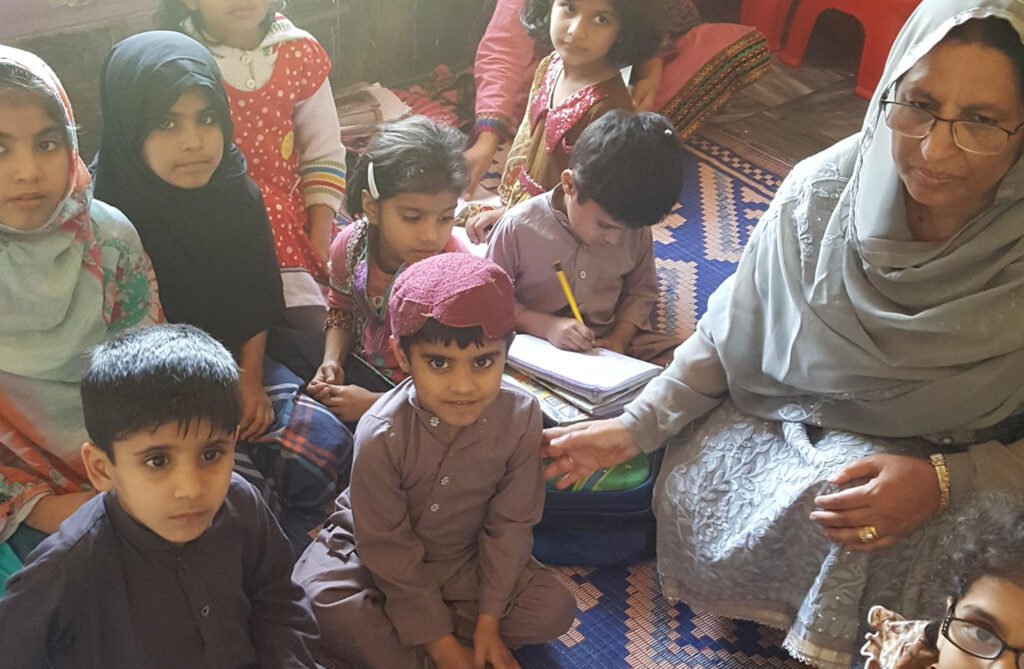
Education is a powerful tool for personal growth and socio-economic development. However, in rural Pakistan, many children face significant obstacles that prevent them from accessing quality education. Al Ashraf Welfare Foundation Trust is committed to addressing these challenges and creating opportunities that empower communities through education.
Challenges in Rural Education
1. Infrastructure Limitations
- Inadequate Facilities: Many rural schools lack proper classrooms, sanitation, and clean drinking water.
- Transportation Barriers: Poor roads and remote locations make it difficult for children to reach schools safely.
2. Teacher Shortage and Quality
- Lack of Trained Teachers: Rural schools often face a shortage of qualified educators, impacting learning quality.
- Teacher Absenteeism: High absentee rates further disrupt students’ education.
3. Socio-Economic Barriers
- Financial Constraints: Many families prioritize work over education, leading to high dropout rates, especially for girls.
- Child Labor: Economic pressures force children to work instead of attending school.
4. Cultural and Social Factors
- Gender Disparity: Cultural norms often favor boys’ education over girls’, resulting in lower enrollment for girls.
- Parental Illiteracy: Parents who are uneducated may not recognize the importance of schooling or may struggle to support their children.
5. Limited Technological Access
- Digital Divide: Lack of internet and digital tools in rural areas restricts exposure to modern learning resources.
Opportunities for Improvement
Community Engagement
- Parental Involvement: Engaging parents and local communities in school activities enhances accountability and support.
- Local Role Models: Highlighting successful individuals from the community inspires children to pursue education.
Innovative Teaching Methods
- Interactive Learning: Using hands-on and experiential methods makes learning more engaging and effective.
- Mobile Education Units: Mobile classrooms and libraries help reach remote areas.
Public-Private Collaboration
- Partnerships: Combining efforts of government, NGOs, and private organizations can enhance resources and expertise.
- CSR Initiatives: Businesses can contribute to rural education through Corporate Social Responsibility programs.
Leveraging Technology
- E-Learning Platforms: Digital platforms provide students with access to high-quality educational content.
- Tele-Education: Television and radio programs can deliver lessons to children in remote areas.
Al Ashraf Welfare Foundation Initiatives
1. Infrastructure Development
- School Construction & Renovation: Building and upgrading schools to provide safe, conducive learning environments.
- Sanitation Facilities: Ensuring access to clean water and hygienic toilets for students.
2. Teacher Support and Training
- Professional Development: Continuous training programs improve teachers’ skills and teaching methods.
- Incentivizing Teachers: Financial and professional benefits attract qualified educators to rural areas.
3. Scholarships and Financial Aid
- Student Support: Scholarships reduce economic barriers and encourage continued education.
- Merit Recognition: Rewarding academic excellence motivates students to excel.
4. Community Awareness and Engagement
- Parent-Teacher Associations: PTAs involve parents in decision-making and school management.
- Educational Campaigns: Awareness programs promote the importance of education and gender equality.
5. Technological Integration
- Digital Classrooms: Introducing computers and internet access to modernize learning.
- Online Resources: Providing e-learning modules and educational content for students and teachers.
Conclusion
Education in rural Pakistan faces many challenges, but with strategic interventions and community collaboration, these barriers can become opportunities for growth. Al Ashraf Welfare Foundation Trust is dedicated to ensuring that every child has access to quality education, empowering them to reach their full potential and contribute to the nation’s development.
Together, we can bridge the educational divide and build a brighter future for all.